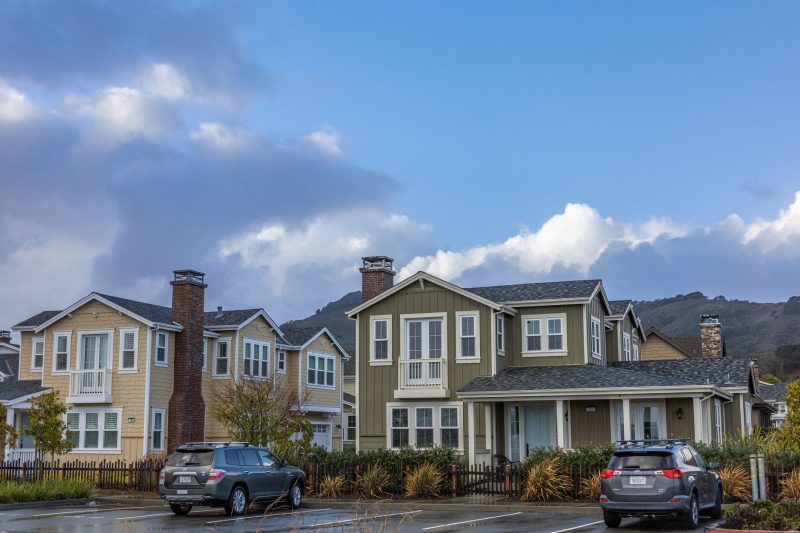
Get Your Financial House in Order Before Halloween As the leaves change color and the…
Mortgage Rates 📢 April 20th, 2026
INTEREST RATES

10 Year T-Note 180-day snapshot
|
Product |
Rate / APR |
Weekly Change |
|---|---|---|
|
⬇️ Conv. |
6.250% / 6.285% |
-.125% |
|
⬇️ Conv. HB |
6.375% / 6.404% |
-.125% |
|
⬆️ JUMBO |
6.375% / 6.402% |
+.125% |
|
↔️ FHA 3.5% DP |
5.625% / 6.584% |
-.000% |
|
↔️ VA 0% DP |
5.625% / 5.863% |
-.000% |
Rate data as of morning of publication. Unless noted otherwise, all scenarios are assuming 30 Year-Fixed mortgage, Purchase or R/T Refinance. No origination points charged, 780 FICO score, and 20% down payment. Provided for consumer education only and does not serve as a binding offer to extend lending. Payment period, interest rate, APR, and other terms subject to income, asset, and credit profile qualification. Provided courtesy of GTG Financial, Inc. NMLS 1595076. Equal housing opportunity. www.nmlsconsumeraccess.org
⏱️ Rates in 60 Seconds
📊 Rates dropped this week because inflation came in softer than expected. Here is the connection worth remembering. Inflation tracks how fast prices are rising. When prices rise faster than forecasters expect, the people who set interest rates get nervous and keep borrowing costs high to cool things down. When prices rise slower than expected, like they did in last week’s wholesale inflation report, rates get a little breathing room. That is why the 30-year ticked lower.
🏠 Weaker housing data also helped rates drop. Existing home sales fell 3.6% in March, and builder confidence dropped to a seven-month low in April. It sounds backwards, but here is why it works: when housing slows, the broader economy slows with it. A slower economy means less inflation pressure. Less inflation pressure means rates can ease. Bad housing news today, small rate relief tomorrow.
🛢️ Now the wildcard, which is oil. The ceasefire between the US and Iran expires April 22. Oil prices are already higher this morning because Iran closed the Strait of Hormuz again over the weekend. Why does oil matter for a mortgage? Because oil touches everything. Shipping, groceries, construction, travel. When oil spikes, inflation expectations spike, and mortgage rates follow. If the ceasefire falls apart next Wednesday, this week’s gains could disappear in a single afternoon.
🏦 The Fed Chair confirmation hearing is this week. Kevin Warsh, a former Fed governor, is being considered for the most powerful role in American interest rates. Warsh has publicly said he believes the Fed has room to cut rates because technology is helping bring inflation down. If the Senate confirms him, the market will start pricing in rate cuts. If they block him, the market gets skittish. Either outcome moves rates. Not every week brings a headline like this, so it is worth paying attention.

What to watch this week
-
Tuesday: Retail Sales and Pending Home Sales. Strong retail numbers mean consumers are still spending, which keeps inflation pressure on and rates elevated. Pending home sales tell us whether buyers are coming off the sidelines.
-
Wednesday: Mortgage Applications and the 20-year Treasury Auction. A weak auction is a quiet signal that pushes rates up quickly.
-
Thursday: Jobless Claims. Continuing claims have been climbing. If that keeps going, it signals a softening labor market, which usually helps rates.
Realtor Insight: Rates got a small gift this week, but do not pass that gift to your clients as a trend. With the Iran deadline and the Fed Chair hearing both landing in the same week, volatility is the base case, not the exception. If your buyer is qualified and ready, today’s pricing is something to lock, not something to wait on. Waiting to see what happens next week is a coin flip, not a strategy.

Related Posts